On the Sunday before Memorial Day I roasted a sheet pan of bone-in chicken pieces the way I have a hundred times. Nora cut into a breast and announced that it tasted like "chicken-flavored cardboard." Jack's thigh, from the same pan, was pink at the bone. I put both back in the oven for ten minutes, which fixed the thigh and finished off the breast.
On Tuesday morning, the first real morning of summer break, I drove to Kroger and bought a $25 instant-read thermometer. I have cooked chicken right about two-thirds of the time for twenty years. It took a $25 gadget to explain the other third.
What it replaced
We already owned a thermometer, technically. It was a dial one from our 2012 wedding registry, with a little glass face and a long steel stem. It needed about twenty seconds to settle, which is a long time to stand with the oven door open, so mostly I guessed instead. The day I brought the new one home I tested them both in a glass of ice water. The new one read 32°F, which is what ice water is. The old dial read 41.
So for thirteen years I'd been trusting a tool that read nine degrees high, which is exactly the direction that makes chicken look done before it is. Ryan has a set of wireless probes for the smoker, and he guards them like jewelry. The kitchen needed its own.
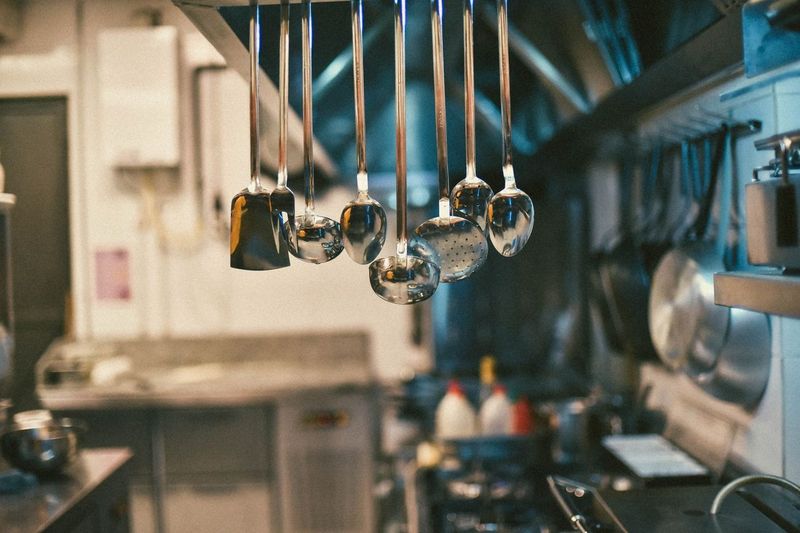
The new one has a fold-out probe and a big digital readout, runs on a coin battery and lives in the crock of spoons next to the stove. A thermometer you have to dig out of a drawer is a thermometer you skip.
The temperatures we cook to
- Chicken breasts: 165°F, the USDA number for all poultry. Breasts come off the heat the moment they hit it.
- Chicken thighs and drumsticks: 175 to 185°F. They're safe at 165. They're better higher.
- Pork chops and tenderloin: 145°F, then a three-minute rest.
- Ground beef and burgers: 160°F.
- Fish: 145°F, or when it flakes easily.
- Leftovers and casseroles: 165°F in the very middle.
- Banana bread and other quick breads: about 200°F in the center, which settles the toothpick argument.
The reason for the two chicken numbers is the reason my sheet pan never worked. Breast meat is lean, and past 165 it squeezes out its moisture fast. Thighs carry more fat and connective tissue, and that tissue doesn't start melting into something tender until the meat is well past 165. Same pan, same timer, one piece overdone and one underdone. Now the thighs go in ten minutes before the breasts, or on a pan of their own.
The four seconds that matter
Instant-read isn't instant. Mine takes three to four seconds for the numbers to stop climbing, and that pause is the whole trick. Slide the probe into the thickest part from the side, not touching bone, because bone reads hot. Then wait. Count to four. If the number is still moving, keep waiting. Check the biggest piece on the pan, not the one closest to you, and on a crowded pan check two or three. Wipe the probe with a hot, soapy cloth between checks.
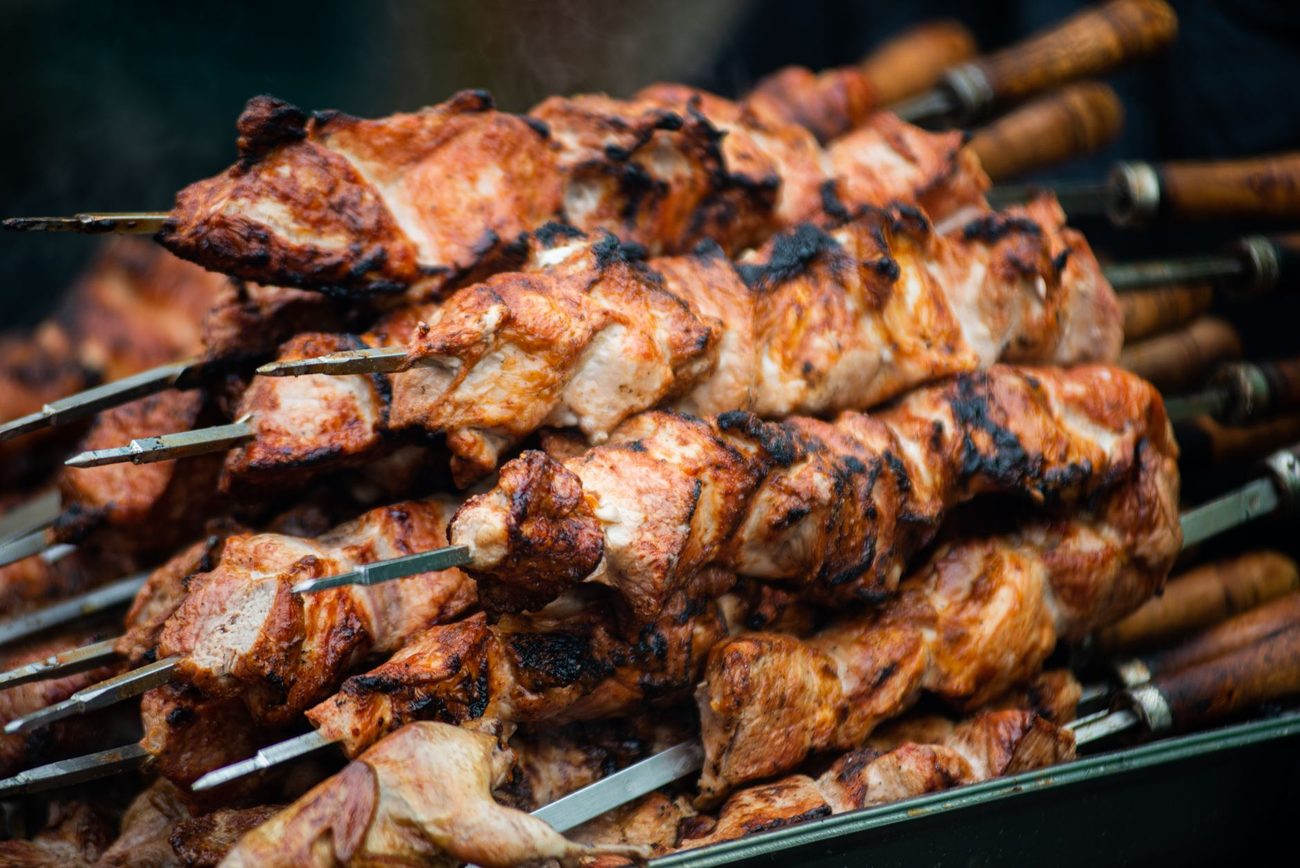
Its first big test came two days later at our end-of-school cookout on May 29, when Ryan smoked forty chicken thighs for the teachers and families from my department. His probes were in a few of them, and I walked the grill with the instant-read and spot-checked a dozen more. Two near the cool end were still short of 165 when everything else was ready, so they got another fifteen minutes. Nobody got a pink thigh, and nobody knew how close it had been.
Once a month I test it in ice water: a glass packed with ice, topped with cold water, stirred, probe in the middle. It should read 32°F. So far it has read 32 or 33 every time.
What I'd do differently is simple. I'd have bought this in 2012 instead of registering for the dial one, and I'd have checked any thermometer in ice water the day it came home. The $25 is the cheapest fix I've made in this kitchen, and Nora has not used the word "cardboard" since.