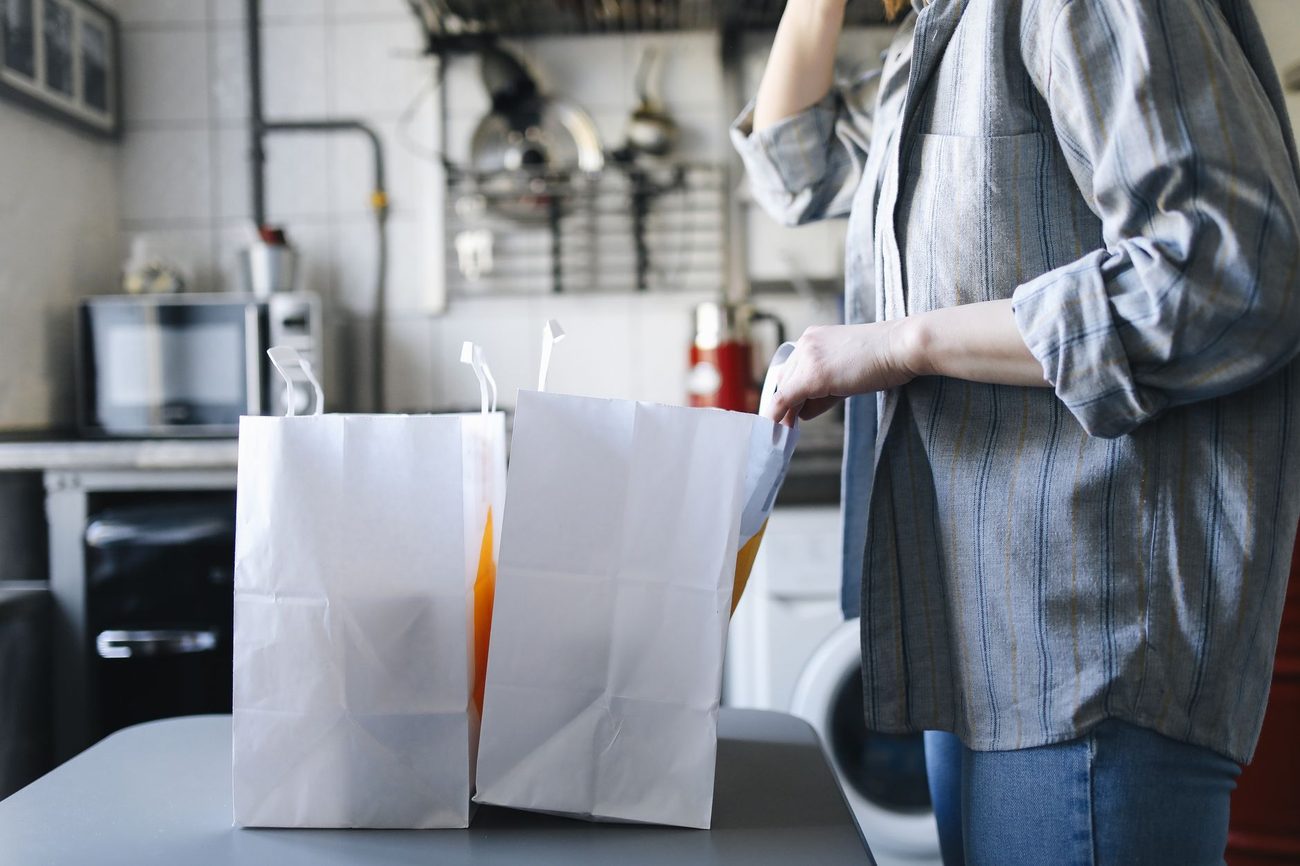
On the second Tuesday in April I walked in from school at ten after five. Jack's practice started at 5:30, Ryan was hunting for a cleat, and the fridge was full of groceries from Sunday's pickup order, every bit of it still an ingredient. None of it was going to become dinner by 7:15 unless I decided what it was. That night told me more about this experiment than the spreadsheet did.
Last September we tried two meal kit services for four weeks, two weeks each. They ran about $10.99 to $12.49 per serving before the intro discounts, we learned three recipes we still make, and we kept neither. This April I tried it the other way: every Sunday I wrote my own plan for five dinners, built a pickup order through the store's app and picked it up on the way home from church. Four weeks, same family, plus baseball.
Cost
The four pickup orders came to $168.42, $181.07, $159.88 and $173.91, so $683.28 for the month. That covers everything, not just dinners: breakfasts, lunch boxes, snacks, dish soap. Pulling just the dinner ingredients out of my plan, twenty dinners for four people cost about $308, or roughly $3.85 a serving.
Even with last fall's intro discounts, the kit dinners cost more than twice that per serving, and we still bought groceries for everything else on top. Above the store's order minimum there was no pickup fee, and the receipts carry the same reduced Tennessee grocery rate plus local tax as shopping in person. April came in at $921 for the whole month, under our $940 target. On cost, pickup won without much of a fight.
Time and food waste
- Meal kit: no planning and no shopping. Cooking ran 35 to 45 minutes a night, even though the cards promised 30, and breaking down boxes and liners took about ten minutes a week.
- Pickup: about 30 minutes of planning on Sunday, 15 minutes building the order and a 15-minute pickup trip. Cooking took 30 to 40 minutes, about the same as the kits.
When I shop in person, planning plus a store trip runs about an hour and forty minutes a week. Pickup cut that to about an hour. The kit cut it to ten minutes. The kit is faster for the same reason my students' labs go smoothly when every ingredient is measured out before the bell: the slow part of cooking is often the measuring and the hunting, not the cooking.
Food waste told a different story. I keep a tally on the fridge of anything we throw out. The kits wasted almost no food, since everything comes portioned, but they made a mountain of packaging: insulated liners, ice packs and a tiny plastic bag for every tablespoon of everything. We had so many ice packs in the garage by October that I was handing them out in the teachers' lounge.
Pickup wasted a little more food. A bag of spinach went slimy and half a bunch of cilantro never got used, about $6 for the month. There were also two substitutions I didn't love: a different yogurt than the one I ordered, and a two-pound bag of carrots instead of one. Neither was a disaster. The carrots went into a pot roast.
Tuesday nights
Tuesday is my late day at school, with a department meeting until 4:30, and in the spring it's also a practice night. Going back through my notes from September, the kit nights that went smoothest were Tuesdays. In April, Tuesdays were exactly where my own plan fell apart. Twice I had every ingredient in the house and no decisions left in me, and we ate scrambled eggs and toast at 7:30.
So pickup won on cost, on packaging and on the food we actually like. The kit won Tuesday. Ryan's verdict, delivered over those scrambled eggs: "Keep the groceries, steal the box."
That's what we're doing. Most weeks are a pickup order from my own plan. And on Sunday afternoon I pack a Tuesday bin: every ingredient for that night's dinner, measured and chopped where it will hold, in one container with the steps written on an index card taped to the lid. It's a homemade meal kit at grocery prices, and it moves the Tuesday decision to Sunday, when I still have decisions to spare.
What I'd do differently: run both in the same month. Comparing a September of new-school-year chaos with an April of baseball isn't a perfectly fair test, and I knew that going in. But I learned what I needed to. Cost was never the real question on Tuesday. Thinking was.