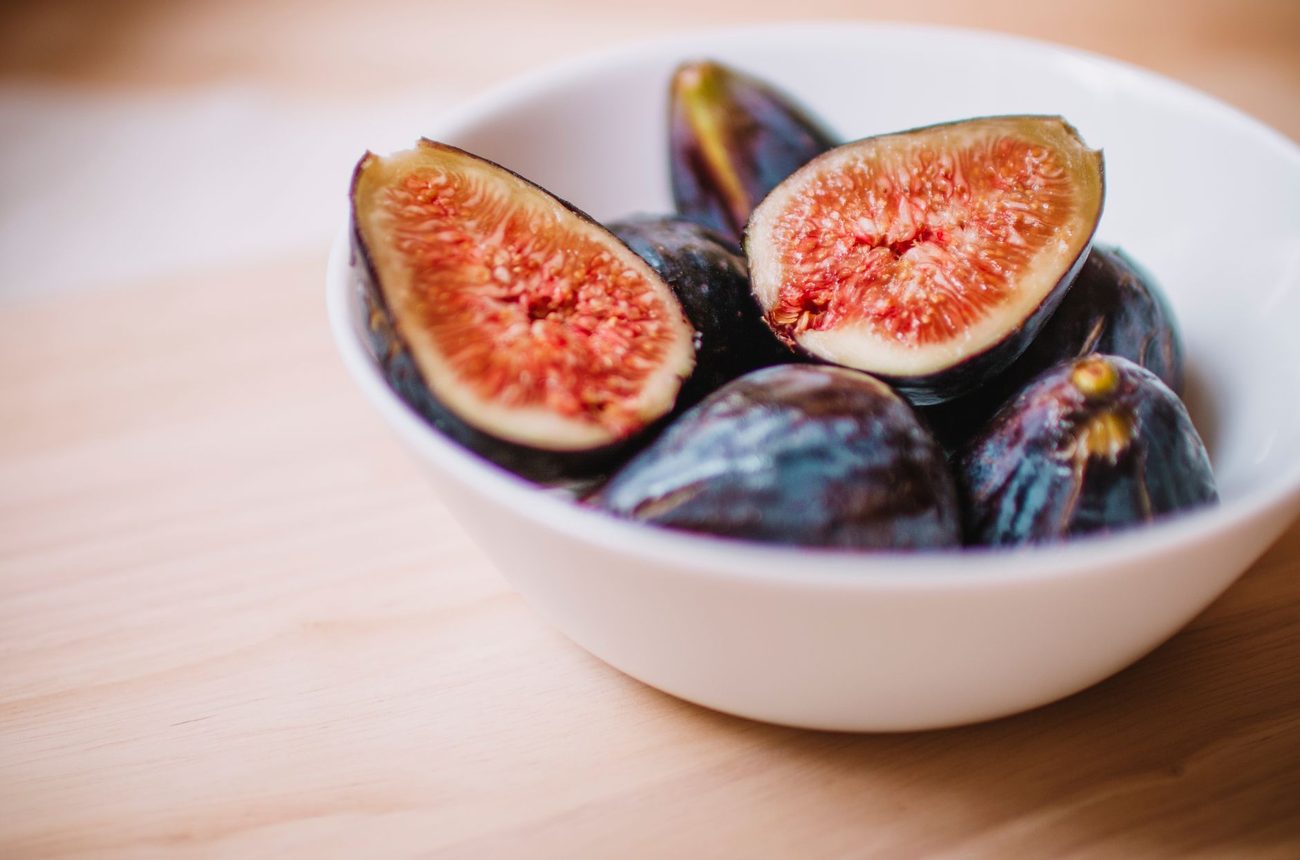
The first ripe fig of the summer had a bird bite in it. So did the second, and the fifth, and about half of what I picked that first week of August: neat little holes pecked into the soft bottom right where the fig had started to split. Six years I'd waited on this bush, and the mockingbirds were beating me to it by about an hour every morning.
Ryan made the call over coffee: bird netting over the whole bush, $14, held down at the bottom with bricks from the garage. After that the figs were ours.
The bush by the back fence started as a cutting from Granny June's fig tree on the farm outside Lewisburg. It sat in a five-gallon bucket on the patio for a year and went into the ground in 2020. Every summer since, it gave us a handful of figs, a dozen at most, which Jack and the birds mostly split. This August it gave us a real crop, something like eleven pounds over three weeks, picked a few at a time in the morning before I left for school and again when I got home.
Granny put up fig preserves every August: whole figs in thick amber syrup with thin slices of lemon floating in the jar. They went on biscuits all winter. The first jar I opened from our bush went on a biscuit standing at the counter, and it tasted like her pantry. That's all I'll say about that.
Putting up the preserves
Granny's card says "cook till it looks right, seal hot," which is how a lot of people canned in her day and how I don't. For anything going into a canner, I follow a tested recipe exactly, ingredient amounts and processing time included, and I adjust the time for altitude and jar size the way the recipe tells me. Home canning is not the place to improvise.
The why matters here, and it's the one I'd most want people to remember. Figs are less acidic than most of the fruit we put up, close enough to the line that tested fig recipes call for added lemon juice, and specifically bottled lemon juice, because its acidity is consistent and a fresh lemon's isn't. That acid is a safety measure, not a flavor choice. Don't cut it or swap it.
So the process, in short: I kept the figs in the fridge until I had enough for a batch, trimmed the stems, and cooked them slowly with sugar, lemon slices and the bottled lemon juice the recipe called for, until the figs turned glassy and amber and the syrup thickened. Then hot half-pint jars, headspace measured, rims wiped, lids on and into the boiling-water canner for the full time. Two batches on two Saturdays gave us twelve half-pints. Twenty-four hours later I pressed every lid. All twelve sealed, which after last fall's chow-chow felt like a small personal victory. Nora labeled the lids in gel pen: Granny's Figs, Aug 2026.
Ingredients
For the fig cake that went to the teachers' lounge, made with a jar of the preserves. One 9x13 pan, 24 squares.
- 2 cups all-purpose flour
- 1 1/2 cups sugar
- 1 teaspoon baking soda
- 1 teaspoon cinnamon
- 1/2 teaspoon nutmeg
- 1/2 teaspoon allspice
- 1/2 teaspoon salt
- 3 large eggs
- 1 cup vegetable oil
- 1 cup buttermilk
- 1 teaspoon vanilla
- 1 cup fig preserves, figs chopped, syrup and all
- 1 cup chopped pecans
- For the glaze: 1 cup sugar, 1/2 cup buttermilk, 1/2 cup (1 stick) butter, 1 tablespoon light corn syrup, 1/2 teaspoon baking soda, 1 teaspoon vanilla
How I make it
- Heat the oven to 350°F and grease a 9x13 pan.
- Whisk the flour, sugar, baking soda, spices and salt in a large bowl. In another bowl, whisk the eggs, oil, buttermilk and vanilla. Stir the wet into the dry until smooth, then fold in the preserves and pecans.
- Bake 35 to 40 minutes, until the top is deep golden and springs back when pressed and a toothpick in the center comes out clean.
- While it bakes, put the glaze ingredients except the vanilla in a large saucepan, because it foams up high. Boil 5 minutes, stirring, until it turns a light caramel color. Stir in the vanilla.
- Poke the hot cake all over with a skewer and pour the hot glaze over it slowly. Cool at least an hour before cutting.
Make-ahead: the cake keeps three days covered on the counter and gets stickier and better each day. If you don't have a fig bush, a jar of store-bought fig preserves works fine.
The cake went in on the Monday of our second week back, in the lounge by the coffee maker, and the pan was empty before my planning period was over. Somebody left a sticky note on the foil asking for the recipe. This is the recipe.
The preserves cost about $24 for twelve jars, mostly new half-pint jars and lids plus sugar and lemons, so about $2 a jar, with the figs free once you don't count six years of waiting and the $14 net. The cake added about $7. Jack ranked a fresh fig a four ("it's crunchy inside and looks like a bug") and the cake a nine.