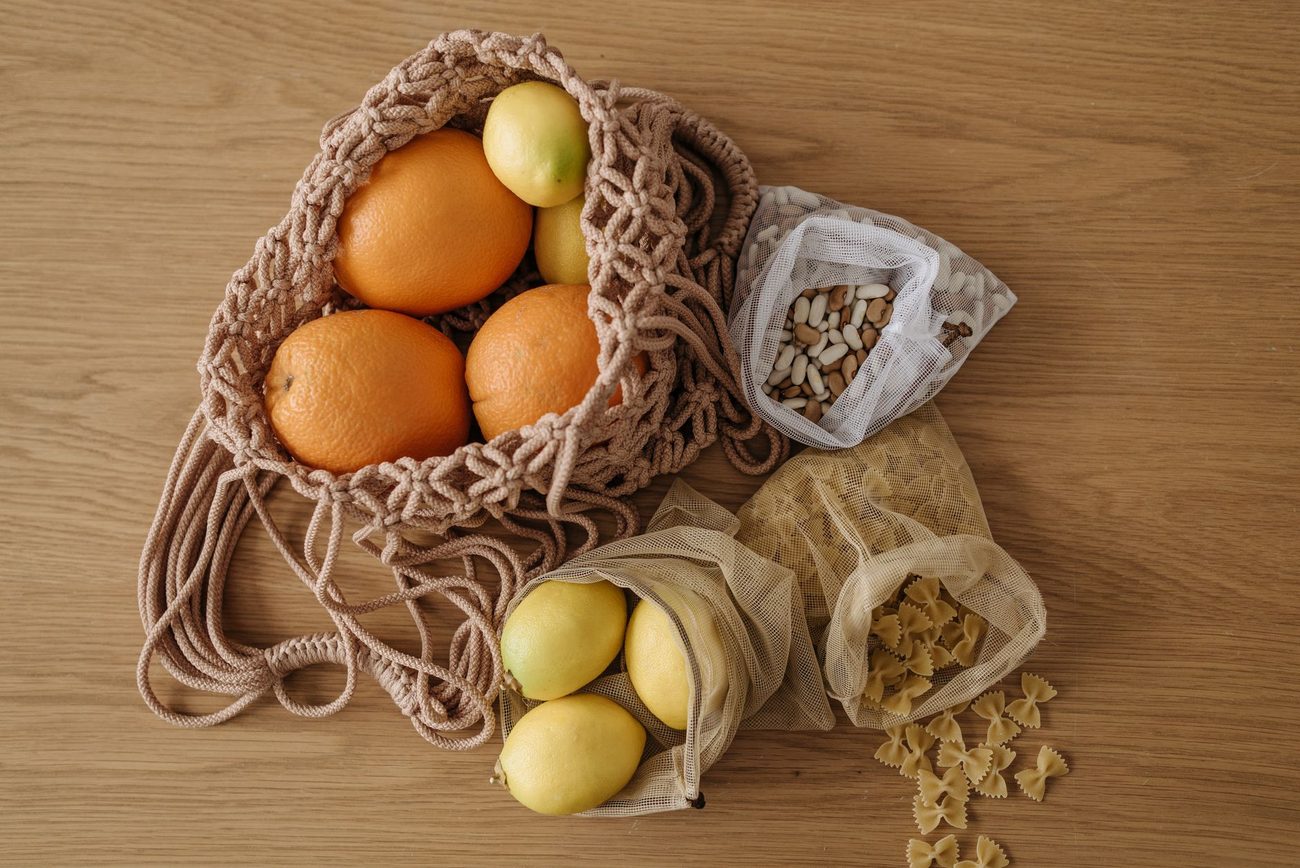
The last receipt of 2025 was $31.40 at Kroger on December 30: dried black-eyed peas, two bunches of collards, a ham hock and a bag of cornmeal for New Year's Day. I typed it in on New Year's Eve while Ryan watched a bowl game, then clicked the cell at the bottom of the year.
$10,890.
That's every grocery and basic household receipt for a family of four in Spring Hill, January through December, from the spreadsheet I started a year ago. It doesn't include restaurants or trip food, which live in their own envelopes. It works out to about $905 a month.
Month by month
- January: $836. Cold weather, soup, a lot of beans.
- February: $818. Our lowest month. Short and quiet, even with a birthday cake for Nora.
- March: $918. Spring break lunches at home, grading-night convenience food and seven Publix runs I wrote a whole post about.
- April: $884. Easter pies and Ryan's first brisket, 14.2 pounds at $4.29 a pound from Costco.
- May: $869. Eleven pounds of U-pick strawberries and forty chicken thighs for the end-of-school cookout.
- June: $842. A Memphis weekend meant three days we weren't buying groceries at all.
- July: $1,068. Two pork butts for the Fourth, a half bushel of peaches and two Costco runs to stock the pantry for school.
- August: $861. The pantry paid us back. The first week of school was $231, and the rest of the month was easy.
- September: $948. Four weeks of two meal kit services, plus our regular groceries for breakfasts and lunches.
- October: $856. Fall break in Alabama and a lot of chili.
- November: $1,140. Thanksgiving for sixteen at our house, with a sixteen-pound turkey and four pies.
- December: $850. Twenty-two dozen cookies at about $4.10 a dozen, and Christmas dinner at Mom and Dad's in Lewisburg, which I didn't have to buy.
Tennessee taxes groceries at a reduced state rate plus local tax, and over the year that came to a little over $700 of the total. I notice it on every receipt. Seeing it as one number in December was something else.
What jumped
When I lined up January prices against December prices on the things we buy every week, two lines stood out. The 2.5-pound bag of coffee we buy at Costco went from $17.99 to $22.99. Ground chuck at Kroger went from about $4.79 a pound to $5.99. We buy a lot of both. Together they added something like $20 to $25 a month to the back half of the year without us eating one bite more.
The other thing the spreadsheet showed me is that our spending isn't really about prices most months. It's about weeks. A week with a plan costs about $190. A week where I'm winging it costs $240 and includes at least one stop for one thing.
Some of last spring's fixes held and some didn't. The list on the fridge stuck. My rule that a Publix stop needed five things on the list lasted about six weeks. The September price test did change where we shop, and the one-thing stops went from seven in March to about three a month by fall.
Three changes for 2026
- A target we can actually hit: $940 a month. Yes, that's higher than what we spent. I tell my students in our budgeting unit that a budget is a guess you check, and a guess that ignores beef prices isn't a good guess. $940 leaves room for a birthday cake or a crowd without wrecking the month.
- A freezer-first week. The first week of every month, we buy no meat. We cook down the chest freezer instead, including the deer sausage Dad sent home with us at Christmas. The first week of January was the trial run: milk, bread, eggs and produce only, $88.
- Beef twice a week, and coffee from one place. Without noticing, we'd drifted into beef four or five nights a week. Chicken thighs and beans pick up the other nights now. And coffee gets bought in the big bag only, with one spare in the freezer, instead of a small bag at whatever store we're in when the canister runs dry.
I don't expect 2026 to be cheaper than 2025. I'd just like it to be on purpose. I'll put the numbers up again next January.